What Businesses Should Know About Commercial Septic and Sewer System Installation
Businesses seeking commercial septic and sewer system installation aim to ensure proper waste management, and local service providers can help by handling the installation process professionally.
Understanding the essentials of commercial septic and sewer system installation is crucial for any business owner planning a new facility or upgrading existing infrastructure. Proper installation ensures reliable waste management, helps avoid costly disruptions, and maintains compliance with local regulations. Property owners in the area might find this topic particularly relevant if they are establishing a new commercial space, expanding operations, or replacing aging systems that no longer meet the demands of their business. Exploring how experienced local contractors handle these installations can provide valuable insights into the practical considerations involved and the importance of working with professionals who understand local codes and site-specific challenges.
For those seeking to make informed decisions about waste management solutions, knowing what to expect from commercial septic and sewer system installation is a key step. Local service providers can assist in evaluating site conditions, selecting suitable systems, and ensuring proper setup to support daily operations. By understanding the basics of installation processes and the role of skilled contractors, property owners can better plan for their business needs and ensure their systems are installed correctly the first time. Keep reading to learn more about what businesses should consider when it comes to installing commercial septic and sewer systems.
Get Quotes for Commercial Septic And Sewer System Installation
- Commercial septic system installation - businesses establishing or upgrading facilities in areas without access to municipal sewer services often need this work handled by experienced local contractors.
- Sewer system installation - new commercial properties or renovations that require connecting to existing sewer lines depend on local service providers to ensure proper setup and compliance.
- Septic tank installation - facilities in remote locations or with specific waste management needs rely on local pros to install reliable septic systems suited to their operational demands.
- Drainage and piping setup - businesses preparing their sites for new construction or expansion need expert installation of drainage and sewer piping to prevent future issues.
- Septic system maintenance and upgrades - existing commercial systems may require upgrades or repairs, with local contractors providing essential services to ensure continued proper function.
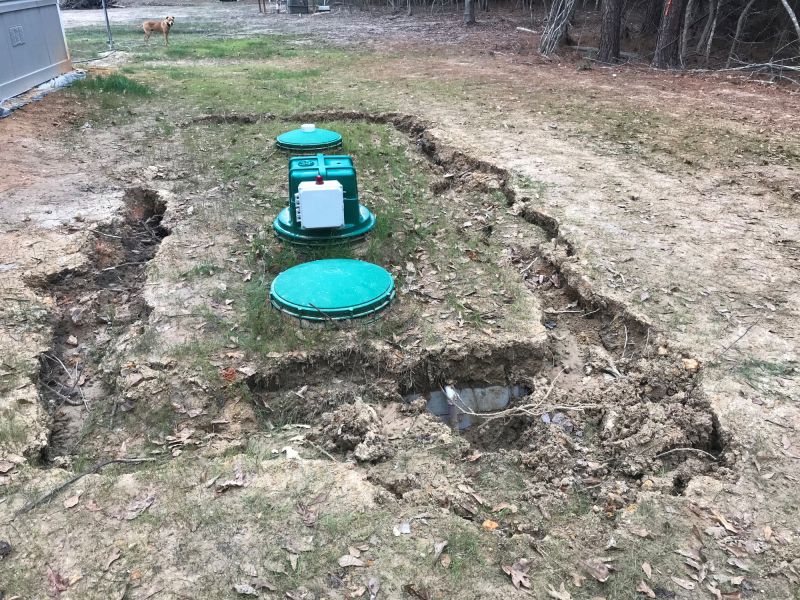
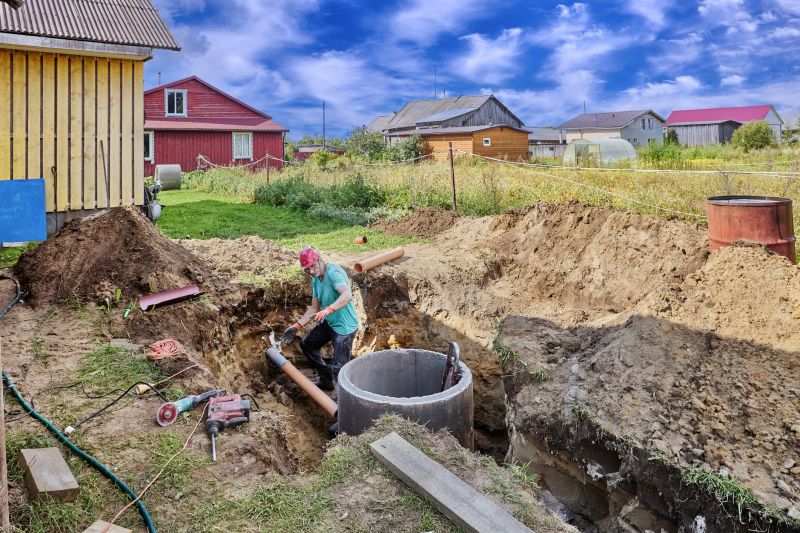
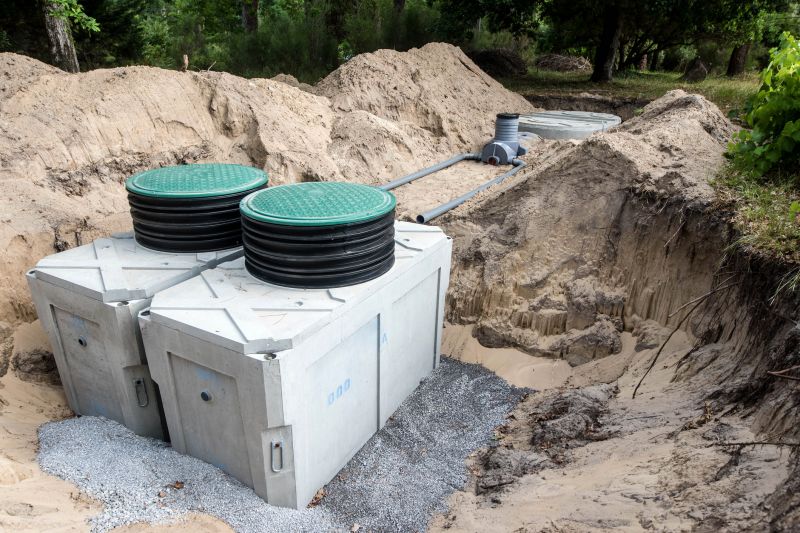
When searching for information on commercial septic and sewer system installation, many people are typically interested in understanding the scope and importance of these systems for their business properties. This process involves installing the infrastructure necessary to manage wastewater effectively, especially for properties that are not connected to municipal sewer lines or require specialized systems due to their size or use. Business owners often look into this topic when planning new construction, expanding existing facilities, or replacing outdated or failing systems. The goal is to ensure that wastewater is handled in a safe, compliant, and efficient manner, which is crucial for maintaining health standards and avoiding costly disruptions.
Commercial septic and sewer system installation relates closely to various property types and operational needs. For example, restaurants, hotels, retail centers, industrial facilities, and office complexes often require tailored solutions to accommodate their wastewater volume and usage patterns. These systems may include large septic tanks, advanced treatment units, or customized sewer lines designed to fit the specific layout of a property. Understanding the different types of systems available helps business owners select the right setup for their property’s size, capacity, and local regulations. Local service providers specializing in commercial septic and sewer installation can evaluate these factors and recommend the most suitable options to meet operational demands.
Many projects involving commercial septic and sewer systems are driven by plans to build new facilities or upgrade existing infrastructure. Business owners might also encounter issues such as persistent backups, odors, or system failures that necessitate professional installation or repairs. Proper installation of these systems is vital to prevent environmental contamination, comply with health codes, and ensure smooth daily operations. Local contractors who focus on commercial projects have the expertise to handle complex site assessments, coordinate with other construction elements, and install systems that align with local codes and standards. Their role is essential in translating a business’s operational needs into a reliable and compliant wastewater management solution.
The types of properties that typically come up in discussions about commercial septic and sewer system installation are diverse and often require customized approaches. Small businesses operating in rural or off-grid locations might rely solely on septic systems, while larger properties or those with high wastewater volumes may need extensive sewer line networks or advanced treatment units. Commercial properties with unique layouts or specific use cases, such as medical facilities or manufacturing plants, may also demand specialized systems. Connecting with experienced local contractors ensures that these varied property types receive the appropriate installation solutions, helping business owners meet their operational requirements while adhering to local health and safety standards.
Commercial plumbing installation - This project involves installing large-scale piping systems similar to sewer lines, requiring expertise in planning, layout, and heavy-duty tools that are essential for sewer system setups.
Drainage system design and installation - Similar to septic system work, this project focuses on creating effective drainage solutions for commercial properties, utilizing planning skills and specialized equipment.
Underground utility installation - Installing underground utilities shares skills in trenching, pipe laying, and site assessment, making it comparable to sewer and septic system installation tasks.
Stormwater management system projects - These projects involve designing and installing systems to manage runoff, requiring knowledge of piping, grading, and site planning akin to sewer system work.
Wastewater treatment system setup - Setting up small-scale wastewater treatment units involves similar planning and installation techniques used in commercial septic system projects.
Site excavation and grading services - Proper site preparation is critical for sewer system installation, and excavation projects require similar skills in earth moving and site assessment.
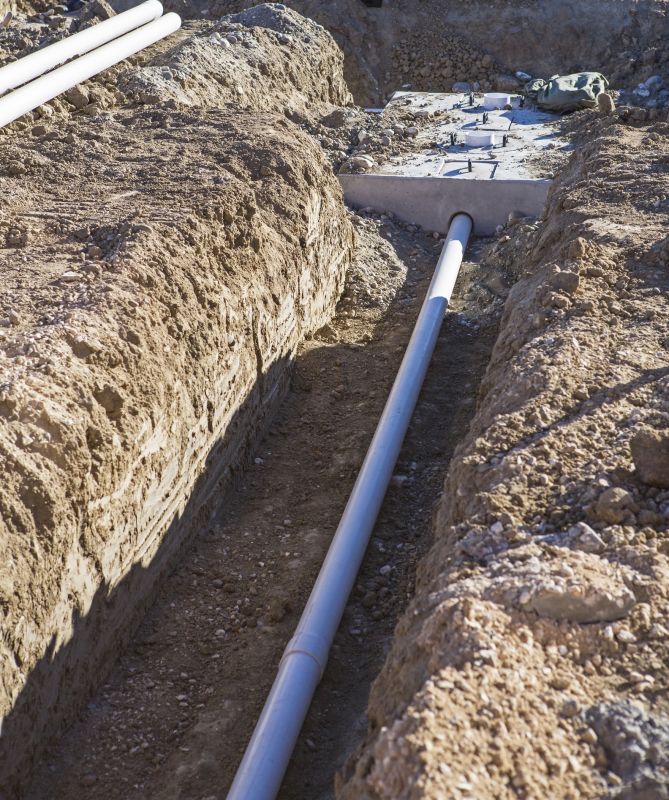
When evaluating service providers for commercial septic and sewer system installation, it is essential to consider their experience with similar projects. Local contractors who have a proven track record handling systems of comparable size and complexity can offer valuable insights into potential challenges and solutions specific to the type of business. An experienced contractor is more likely to understand the nuances of commercial systems, ensuring that the installation meets operational needs and adheres to local regulations. Checking references or examples of past work can provide a clearer picture of their capabilities and reliability in managing projects similar to what the business requires.
Clear written expectations play a crucial role in selecting the right service provider. A reputable contractor should be able to outline the scope of work, materials to be used, and the estimated timeline in a detailed proposal or contract. This transparency helps prevent misunderstandings and ensures that both parties have a shared understanding of the project’s requirements. When comparing different local contractors, it’s beneficial to review how thoroughly they communicate their plans and whether they are willing to address questions or concerns in writing, fostering confidence in their professionalism and commitment to delivering a quality installation.
Good communication is fundamental when working with local service providers for commercial septic and sewer system installation. A contractor who maintains open, responsive, and clear dialogue can help keep the project on track and address any unexpected issues promptly. This ongoing communication ensures that the business remains informed about progress and can provide feedback or clarification as needed. When comparing options, observing how a contractor interacts during initial discussions can give an indication of their approachability and willingness to collaborate, which can significantly impact the overall success of the installation process.
Get a Quote for Commercial Septic And Sewer System Installation
Property owners often search for what businesses should know about commercial septic and sewer system installation when they are planning practical projects around their homes and businesses. Local pros provide Commercial Septic and Sewer System Installation services for everyday jobs and straightforward project options.
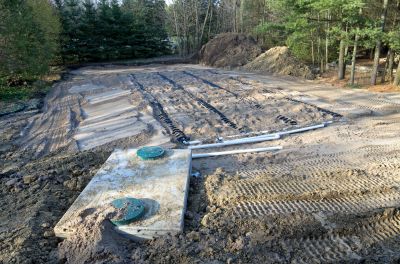
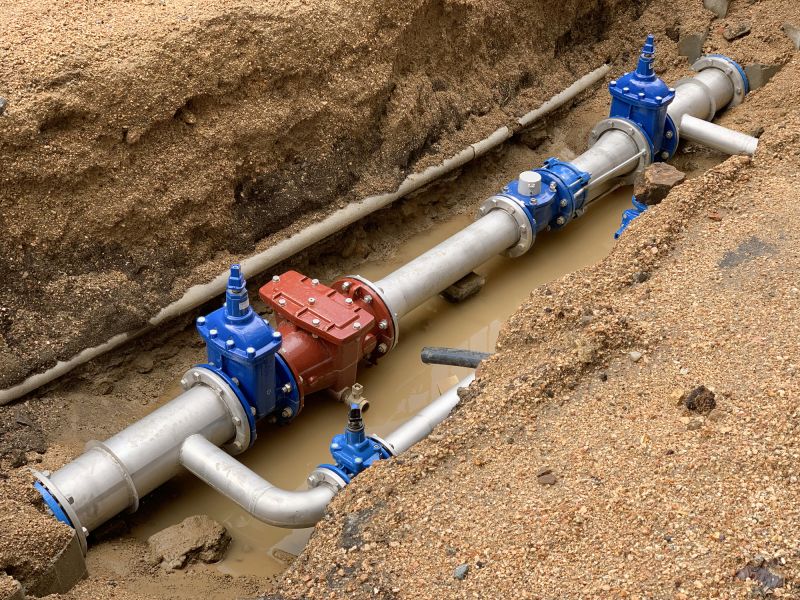
Understanding the essentials of commercial septic and sewer system installation is important for business owners managing new properties or upgrading existing infrastructure. Everyday situations, such as opening a new restaurant, expanding a retail space, or establishing a manufacturing facility, often require a reliable sewer solution to handle waste efficiently. Property owners might seek out local contractors to ensure the installation process complies with local codes and is tailored to the specific needs of their business operations. These service providers can evaluate the site, recommend appropriate system types, and handle the installation to support smooth daily operations without disruptions.
Business owners considering commercial septic and sewer system installation should also be aware of the importance of working with experienced local contractors who understand the area's soil conditions, space constraints, and regulatory requirements. Proper installation can prevent future issues like backups, leaks, or system failures that could impact business activities. Connecting with local service providers offers the benefit of expertise in designing and installing systems suited to the size and scope of the business, helping to ensure the infrastructure functions effectively for years to come.
Get a Quote for Commercial Septic And Sewer System Installation
What should businesses consider before installing a commercial septic or sewer system? Businesses should evaluate the size and capacity needs of their facility, understand local regulations, and ensure proper site assessment to determine the most suitable system type. Consulting with experienced service providers can help identify the best options for their specific operations.
How do local contractors determine the right septic or sewer system for a business? Contractors assess factors such as the building’s wastewater output, land topography, soil conditions, and local code requirements to recommend appropriate system designs that will function efficiently and reliably.
What permits or approvals are typically required for commercial septic and sewer system installation? Local service providers are familiar with permitting processes and can help businesses navigate the necessary approvals from municipal or environmental authorities before installation begins.
What maintenance considerations should businesses be aware of after installation? Proper maintenance involves regular inspections, pumping, and system servicing to prevent failures and ensure compliance with health and safety standards, which local contractors can assist with.
Why is it important to work with experienced service providers for installation? Experienced contractors ensure proper system design and installation, helping to avoid future issues, reduce downtime, and ensure the system complies with all relevant regulations and standards.
Understanding site requirements - property owners should assess their land to determine the best location for septic or sewer systems, with local contractors providing guidance on site suitability.
Choosing the right system type - selecting between septic tanks and sewer connections depends on property size and usage needs, which local service providers can help evaluate.
Planning for future expansion - considering potential growth or changes in business operations can influence system capacity and layout, with local pros offering planning support.
Ensuring proper permits and codes - adhering to local regulations is essential, and experienced contractors can assist in navigating permit requirements for commercial septic and sewer installations.
If you are thinking about what businesses should know about commercial septic and sewer system installation for a property, this guide is meant to help you understand this topic, the typical project types, and how different options might fit your plans.
When you are ready, you can use the quote form on this page to share a few details about your project. From there, local pros can review the basics and follow up with options that match what you have in mind.
Get a Quote for Commercial Septic And Sewer System Installation