Sewer Lateral Installation in Columbus, OH
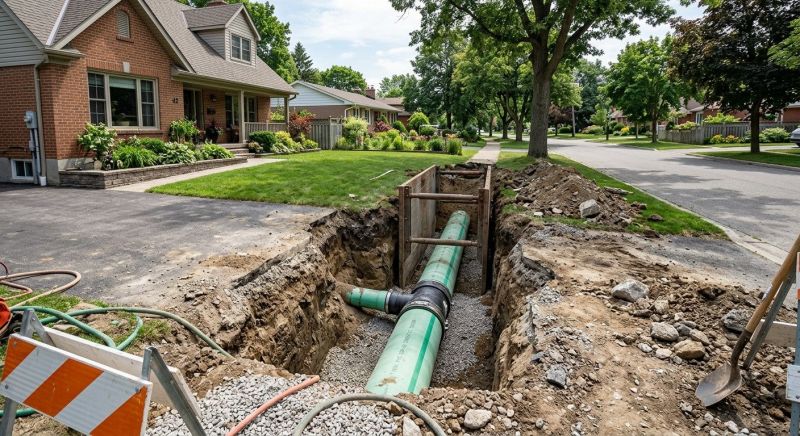
Sewer lateral installation services involve the process of installing or replacing the underground pipe that connects a property’s plumbing system to the main sewer line. This service is essential for new construction projects, property renovations, or when existing sewer lines are damaged or outdated. Property owners often request this work to ensure proper waste removal, prevent leaks, and avoid potential backups that can cause property damage or health hazards. Understanding the scope of the project, including the location of the sewer line and the condition of existing infrastructure, can help homeowners prepare for the installation process.
Before requesting sewer lateral installation, property owners typically want to know about the project's feasibility, including the accessibility of the site and any necessary permits or approvals. It’s also helpful to understand the types of materials used for the pipe, the expected lifespan of the installation, and any potential disruptions to property access during the work. Clarifying these details can support informed decisions and ensure the project aligns with the property’s needs and local regulations.
Many property owners in Columbus, OH look into Sewer Lateral Installation for repairs, replacements, upgrades, and appearance-related improvements.
Sewer Lateral Installation Basics
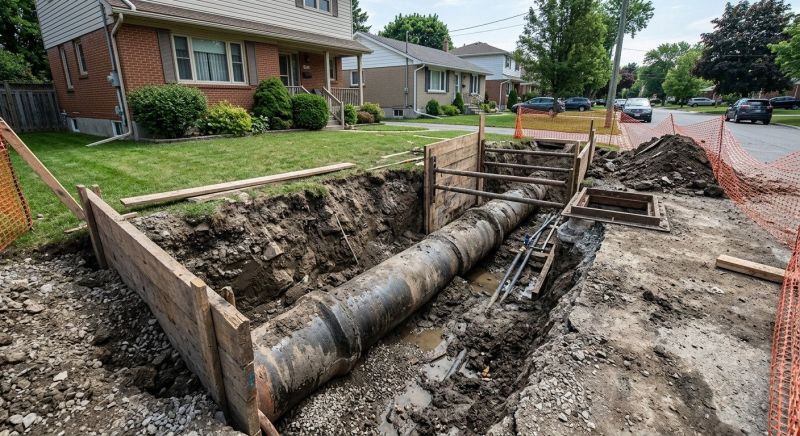
Proper installation ensures reliable connection from your home to the main sewer line.
Common Project Types
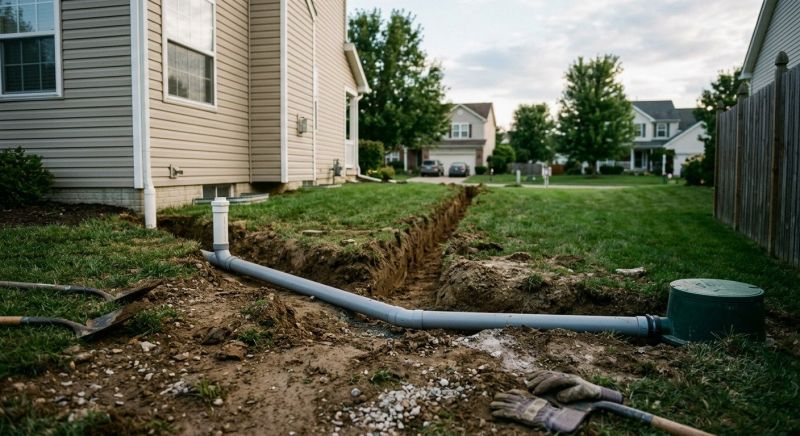
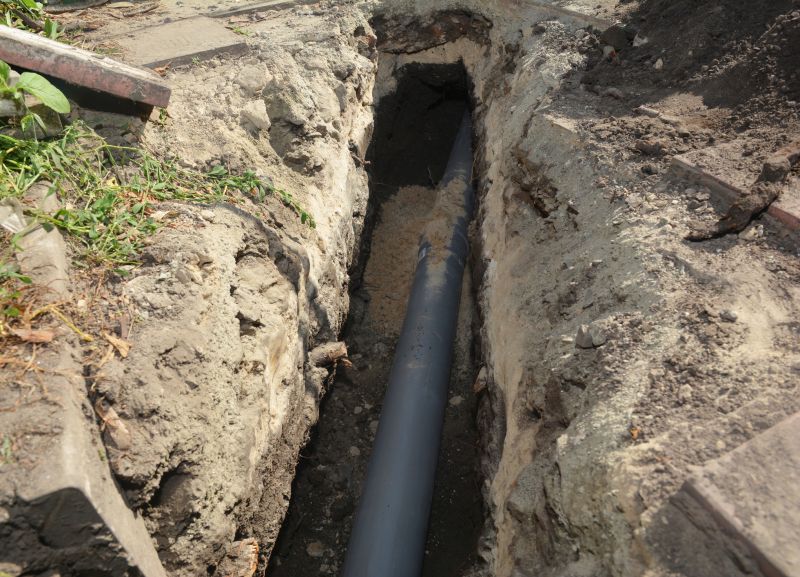
Services often include replacing aging pipes, connecting new constructions, or repairing damaged laterals.
What Property Owners Should Know
Ensuring proper sizing and materials helps prevent future blockages and costly repairs in columbus, oh.
Sewer Lateral Installation in Columbus, OH

Sewer lateral installation services involve the process of installing or replacing the underground pipe that connects a property’s plumbing system to the main sewer line. This service is essential for new construction projects, property renovations, or when existing sewer lines are damaged or outdated. Property owners often request this work to ensure proper waste removal, prevent leaks, and avoid potential backups that can cause property damage or health hazards. Understanding the scope of the project, including the location of the sewer line and the condition of existing infrastructure, can help homeowners prepare for the installation process.
Before requesting sewer lateral installation, property owners typically want to know about the project's feasibility, including the accessibility of the site and any necessary permits or approvals. It’s also helpful to understand the types of materials used for the pipe, the expected lifespan of the installation, and any potential disruptions to property access during the work. Clarifying these details can support informed decisions and ensure the project aligns with the property’s needs and local regulations.
Many property owners in Columbus, OH look into Sewer Lateral Installation for repairs, replacements, upgrades, and appearance-related improvements.
Common Sewer Lateral Installation Jobs
Sewer Lateral Installation - Installing new sewer laterals to connect a property to the main sewer line.
Sewer Lateral Replacement - Replacing aging or damaged sewer laterals to prevent backups and leaks.
Sewer Lateral Repair - Fixing cracks, breaks, or blockages in existing sewer laterals for proper flow.
Sewer Lateral Inspection - Using video cameras to assess the condition of sewer laterals before work begins.
Sewer Lateral Extension - Extending sewer lines to accommodate property additions or changes.
Sewer Lateral Upgrades - Upgrading old sewer laterals to meet current standards and improve reliability.
Sewer Lateral Installation Questions
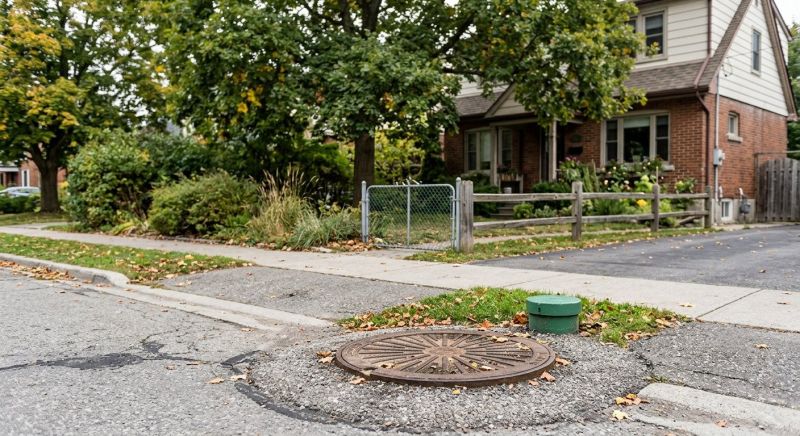
What is sewer lateral installation? It involves installing or replacing the pipe that connects a property’s plumbing to the main sewer line underground.
When is sewer lateral installation needed? It is typically required during new construction, property upgrades, or when existing pipes are damaged or failing.
What types of pipes are used for installation? Common options include PVC, ABS, and cast iron, chosen based on durability and local building codes.
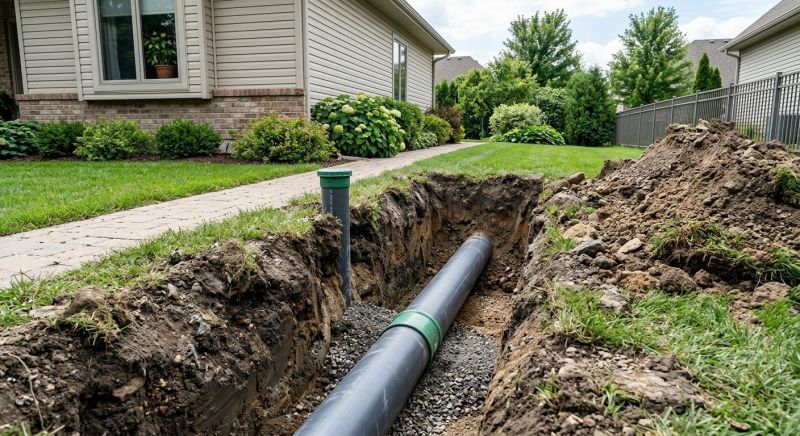
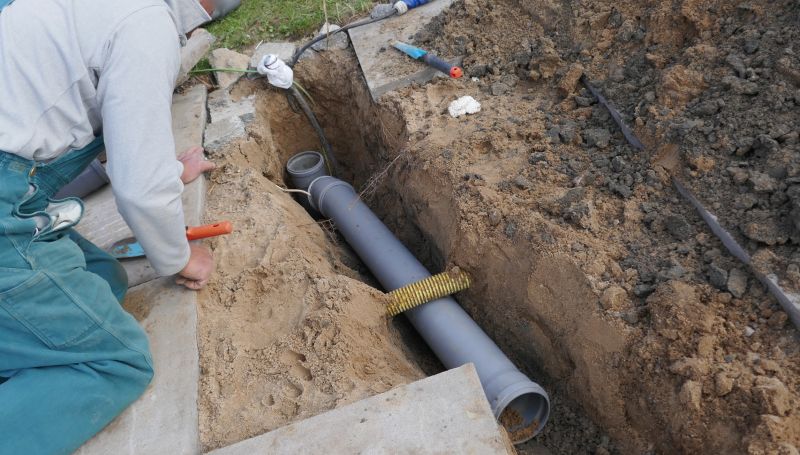
How does the process usually proceed? The work involves excavation, pipe placement, and backfilling, with a focus on proper alignment and sealing for reliable drainage.
Request Sewer Lateral Installation in Columbus, OH
Use the quote form on this page to share the basics of your project and request more information for the type of work you need.