Drain Line Replacement in Denver, CO
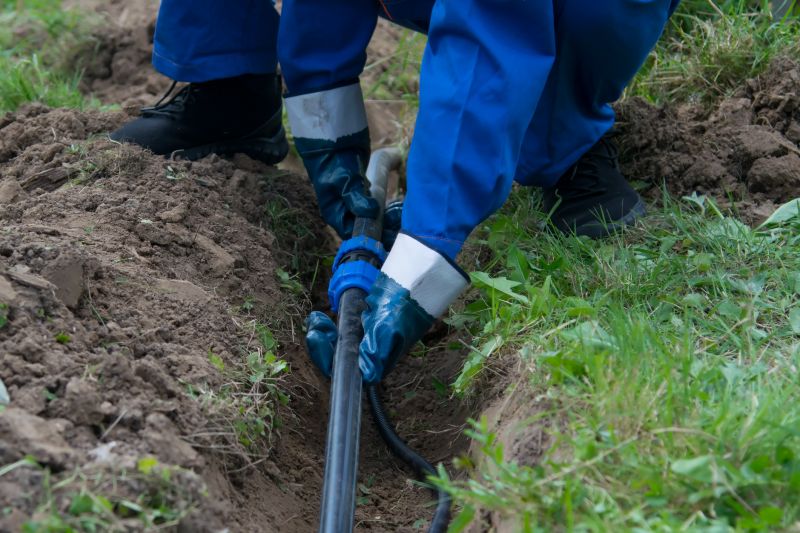
Drain line replacement services involve removing and installing new underground pipes that carry wastewater from a property to the municipal sewer system or septic tank. This type of project is typically needed when existing drain lines are damaged, corroded, cracked, or clogged beyond repair. Common situations prompting drain line replacement include persistent backups, foul odors, or visible signs of pipe deterioration, especially in older homes or properties with shifting soil. Homeowners should understand the scope of the work, the potential need for excavation, and how the new drain lines will be integrated with existing plumbing to ensure proper function and compliance with local codes.
Before requesting drain line replacement, property owners often want to know about the condition of their current pipes, the extent of any damage, and the best approach for replacement. It’s important to consider the project’s impact on landscaping, driveways, or other property features, as excavation may be required. Understanding the materials used for new drain lines, such as PVC or ABS piping, and how they will be installed to prevent future issues can help in making informed decisions. Clear communication about the process and potential disruptions can assist homeowners in planning for a smooth replacement experience.
Many property owners in Denver, CO look into Drain Line Replacement for repairs, replacements, upgrades, and appearance-related improvements.
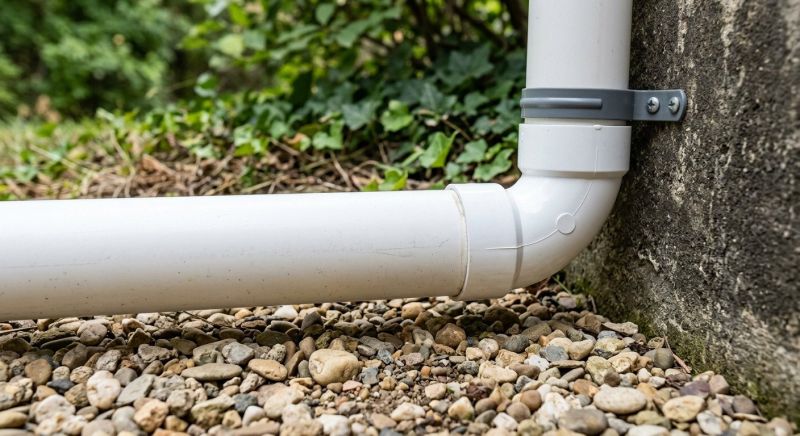
Signs Of Drain Line Issues
Slow drains, gurgling sounds, or unpleasant odors may indicate a need for drain line replacement.
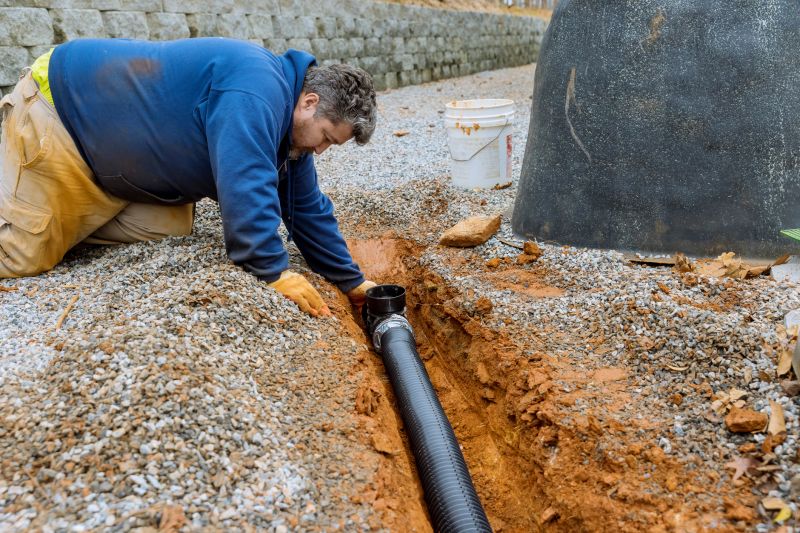
Reasons For Replacement
Corrosion, root intrusion, or pipe deterioration can compromise drain lines and require replacement to prevent property damage.
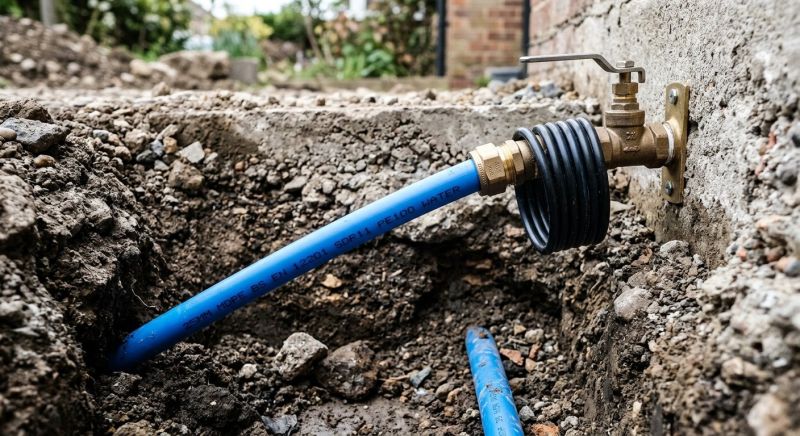
Replacement Process Overview
Replacing drain lines involves removing old pipes and installing new, durable ones to ensure proper drainage and system reliability.
Drain Line Replacement in Denver, CO

Drain line replacement services involve removing and installing new underground pipes that carry wastewater from a property to the municipal sewer system or septic tank. This type of project is typically needed when existing drain lines are damaged, corroded, cracked, or clogged beyond repair. Common situations prompting drain line replacement include persistent backups, foul odors, or visible signs of pipe deterioration, especially in older homes or properties with shifting soil. Homeowners should understand the scope of the work, the potential need for excavation, and how the new drain lines will be integrated with existing plumbing to ensure proper function and compliance with local codes.
Before requesting drain line replacement, property owners often want to know about the condition of their current pipes, the extent of any damage, and the best approach for replacement. It’s important to consider the project’s impact on landscaping, driveways, or other property features, as excavation may be required. Understanding the materials used for new drain lines, such as PVC or ABS piping, and how they will be installed to prevent future issues can help in making informed decisions. Clear communication about the process and potential disruptions can assist homeowners in planning for a smooth replacement experience.
Many property owners in Denver, CO look into Drain Line Replacement for repairs, replacements, upgrades, and appearance-related improvements.
Common Drain Line Replacement Jobs
Drain line replacement involves removing and installing new drain pipes to ensure proper wastewater flow.
Broken or cracked drain lines are replaced to prevent leaks and water damage.
Corroded or deteriorated pipes are upgraded to maintain plumbing integrity.
Old or damaged drain systems are replaced to improve overall plumbing performance.
Drain line rerouting is performed to accommodate property renovations or landscape changes.
Blocked or clogged drain lines are replaced when cleaning is insufficient to restore flow.
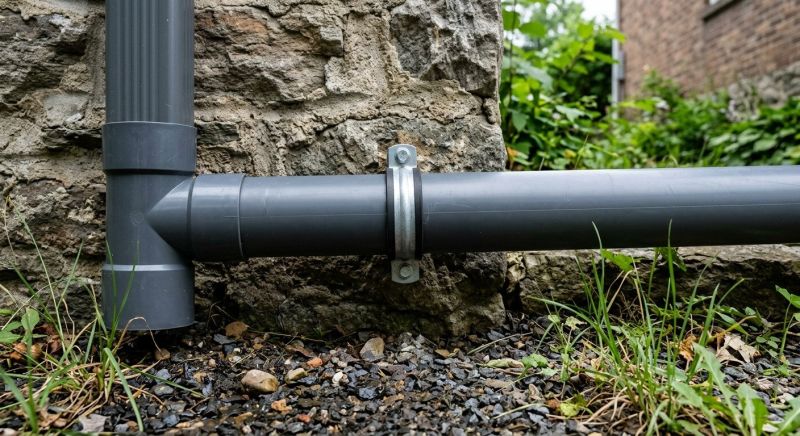
Drain Line Replacement Questions
What signs indicate a drain line may need replacement? Signs include persistent clogs, foul odors, slow drainage, or sewage backups in the property.
What types of drain lines are typically replaced? Commonly replaced drain lines include main sewer lines, kitchen and bathroom drain pipes, and underground service lines.
Why is drain line replacement important? Replacing damaged drain lines helps prevent water damage, foul odors, and costly backups in the property.
What should property owners consider before replacing drain lines? It’s important to assess the extent of damage and choose appropriate materials for long-term performance.
Request Drain Line Replacement in Denver, CO
Use the quote form on this page to share the basics of your project and request more information for the type of work you need.