Get Septic Installation in Colorado Springs, CO
Septic installation services help Colorado Springs property owners solve waste management issues by installing, repairing, or replacing septic systems for homes and businesses.
Planning a septic installation is an important step for property owners in Colorado Springs, CO, especially for those considering new construction, property upgrades, or areas where municipal sewer connections are unavailable. Properly installed septic systems ensure reliable wastewater management and help maintain the property's value and functionality. Exploring local contractors who specialize in septic services can provide valuable insights into the best options for your specific site conditions and long-term needs.
By comparing local service providers, property owners can find experienced contractors equipped to handle septic system installations tailored to Colorado Springs' unique terrain and soil conditions. Taking the time to review available options can help ensure the chosen solution meets technical requirements and aligns with project goals. Keep reading to learn more about how local septic installation specialists can assist with planning and executing your project efficiently.
- Septic System Installation - needed when constructing a new home or property in areas without access to municipal sewer systems.
- Septic Tank Replacement - necessary when existing septic systems fail or become outdated in neighborhoods around Colorado Springs, CO.
- Septic System Repair - required to address issues like leaks, backups, or poor drainage in residential or commercial properties.
- Septic System Inspection - important before purchasing a property or during routine maintenance to ensure proper functioning.
- Septic System Upgrades - sought after when expanding a property or improving system capacity to meet increased wastewater needs.
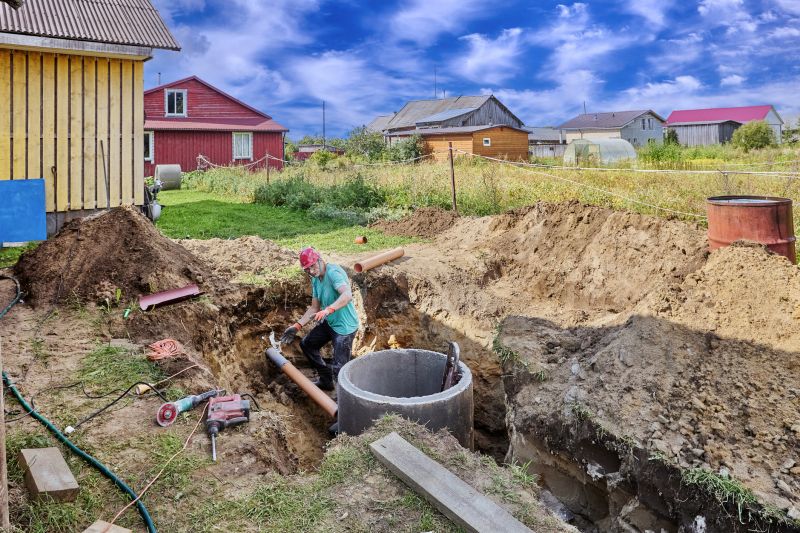
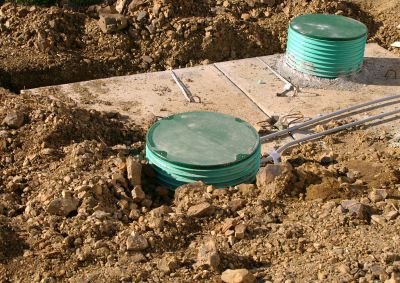
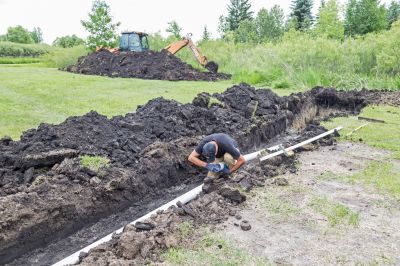
Septic installation services involve setting up a sewage treatment system for properties that are not connected to municipal sewer lines. This process typically includes designing a system tailored to the property's size and soil conditions, excavating the site, and installing components such as the septic tank and drain field. Proper installation ensures that wastewater from household fixtures is safely processed and dispersed, helping to maintain a healthy and functional plumbing system.
These services are essential for solving common wastewater management problems, such as sewage backups, foul odors, or drain field failures. When a property’s existing septic system is failing or outdated, local contractors can replace or upgrade the system to prevent costly repairs and environmental issues. Septic installation also helps address concerns related to groundwater contamination and property drainage, ensuring that waste is handled efficiently and safely.
Properties that typically require septic installation include rural homes, vacation cabins, and properties in areas where municipal sewer services are unavailable or impractical to extend. New construction sites often need a septic system designed and installed from scratch, while older properties may require upgrades or replacements to meet current standards. Residential properties with large land parcels or those situated in remote locations are common candidates for septic systems, especially where alternative waste management options are limited.
Homeowners should consider septic installation services when building a new home, experiencing persistent drain field problems, or planning significant property expansions. Recognizing the signs of septic system failure-such as slow drains, gurgling noises, or standing water near the drain field-can also indicate the need for a professional assessment. Connecting with experienced local contractors can help ensure that the septic system is installed correctly and functions reliably for years to come.
The overview below groups typical Septic Installation projects into broad ranges so you can see how smaller, mid-sized, and larger jobs often compare in Colorado Springs, CO.
In many markets, a large share of routine jobs stays in the lower and middle ranges, while only a smaller percentage of projects moves into the highest bands when the work is more complex or site conditions are harder than average.
Smaller Repairs - Typical costs for minor septic repairs, such as fixing leaks or replacing parts, range from $250-$600. Many routine maintenance jobs fall within this range, depending on the scope of work and system size.
Septic Tank Installation - Installing a new septic tank generally costs between $3,000 and $7,000. Larger, more complex projects or those requiring special permits can reach $10,000 or more, but most installations fall into the middle range.
Full System Replacement - Replacing an entire septic system usually costs from $6,000 to $15,000. Many homeowners see costs in this range, though highly customized or difficult site conditions can push costs higher.
Additional Site Work - Site preparation, such as excavation or soil testing, often adds $1,000-$4,000 to the project. These costs vary based on land conditions and the extent of work needed for proper installation.
Actual totals will depend on details like access to the work area, the scope of the project, and the materials selected, so use these as general starting points rather than exact figures.
Drain Field Installation - local contractors who install drain fields for septic systems often have skills in site assessment, trenching, and soil testing necessary for proper septic system setup.
Septic Tank Replacement - professionals experienced in septic tank replacement work with underground plumbing, excavation, and system connections similar to those used in septic installation projects.
Leach Field Repair - service providers who repair leach fields are familiar with soil conditions, drainage issues, and system troubleshooting akin to initial installation planning.
Underground Plumbing Installation - installing underground plumbing for various systems involves similar trenching, pipe fitting, and soil management skills as septic system setup.
Soil Testing and Site Evaluation - specialists who conduct soil testing and site evaluations help determine suitable locations and conditions for septic system installation.
Water Line Installation - installing water lines requires excavation, pipe installation, and soil management skills that overlap with those needed for septic system projects.
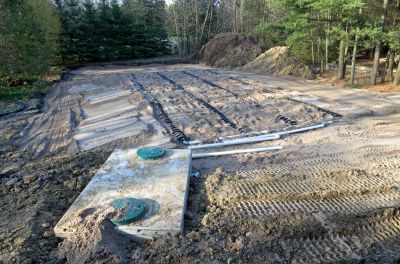
When evaluating septic installation service providers in the Colorado Springs area, it’s important to consider their experience with similar projects. Homeowners should seek out local contractors who have a proven track record of completing septic systems comparable in size and complexity to the one needed for the property. Asking about previous work can provide insight into their familiarity with local soil conditions, regulations, and common challenges faced in the region. A contractor with relevant experience is more likely to understand the specific requirements of septic systems in Colorado Springs, helping to ensure the job is done correctly and efficiently.
Clear, written expectations are essential when comparing local contractors for septic installation. Homeowners should request detailed proposals that outline the scope of work, materials to be used, and any assumptions or conditions. Having this information in writing helps prevent misunderstandings and provides a basis for comparing different service providers objectively. It’s also beneficial to clarify the process, including site preparation, installation steps, and cleanup, so that expectations are aligned from the outset.
Reputable references and strong communication are key factors in selecting a reliable septic installation contractor. Homeowners should inquire about references from recent clients who had similar work completed. Speaking with previous customers can reveal insights into the contractor’s professionalism, reliability, and quality of work. Additionally, effective communication-such as prompt responses to questions and transparent updates-can make the project smoother and more predictable. While the site helps connect homeowners with local service providers, it’s important to remember that the actual work is handled by these trusted professionals, not the platform itself.
Property owners in Colorado Springs, CO use Septic Installation services for practical projects around their homes and businesses. This guide focuses on everyday jobs and straightforward project options.
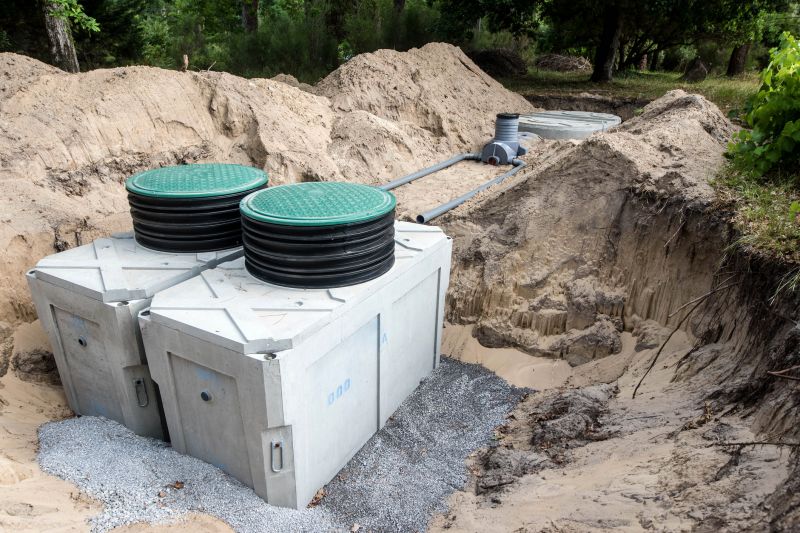
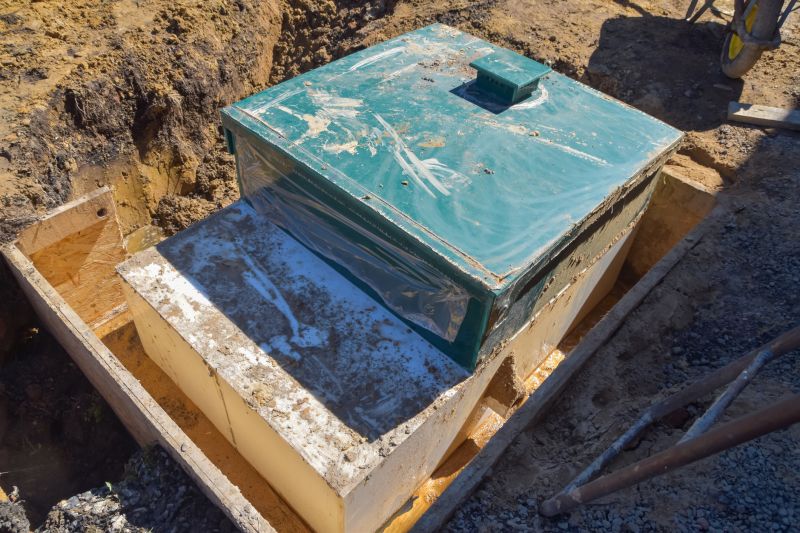
Septic installation services are often needed when property owners in Colorado Springs are developing new land, building a home, or replacing an existing system that has reached the end of its lifespan. In areas where municipal sewer connections are unavailable or impractical, local contractors can provide the expertise needed to design and install septic systems that meet the unique soil and terrain conditions of the region. Homeowners and property developers might seek these services to ensure a reliable and compliant waste management solution that supports both new construction projects and upgrades to older properties.
Property owners may also look for septic installation services when experiencing issues with their current system, such as odors, backups, or slow drainage, which can indicate the need for a new setup or repairs. Additionally, those planning to expand their property or add additional structures might require a new septic system to accommodate increased wastewater needs. Local service providers in Colorado Springs can assist with the installation process, helping property owners find solutions tailored to their specific site conditions and project requirements.
What is involved in installing a septic system? Septic installation typically includes site assessment, design planning, excavation, tank placement, and proper connection to drain fields. Local contractors can handle these steps to ensure the system functions correctly.
How do I know if my property needs a new septic system? Signs such as persistent odors, slow drains, or pooling water near the drain field may indicate the need for a new septic installation. Consulting with local service providers can help assess your property's needs.
What types of septic systems are available for installation? There are various systems, including conventional gravity, pressure distribution, and mound systems. Local contractors can recommend options suitable for your property’s soil and usage.
What permits are required for septic installation in Colorado Springs? Local regulations typically require permits before installation. Service providers experienced in the area can help navigate the permitting process.
What should I consider when choosing a septic installation contractor? Look for experienced local service providers with good reputations, proper licensing, and knowledge of Colorado Springs regulations to ensure quality work.
Septic System Installation - Property owners planning to build a new home or expand their property can explore septic installation options with local contractors to ensure proper waste management.
Septic Tank Replacement - When a septic system shows signs of aging or inefficiency, property owners can work with local service providers to upgrade or replace their existing setup.
Septic System Design - Landowners developing a new property or redesigning outdoor layouts can consult local pros to create a septic system tailored to their site’s needs.
Septic Maintenance Planning - Property owners seeking to maintain system performance can connect with local contractors for regular inspections and recommended upkeep strategies.
If you are thinking about Septic Installation for a property in Colorado Springs, CO, this guide is meant to help you understand the work, the typical project types, and how different options might fit your plans.
When you are ready, you can use the quote form on this page to share a few details about your project. From there, local pros can review the basics and respond with options that match what you have in mind.